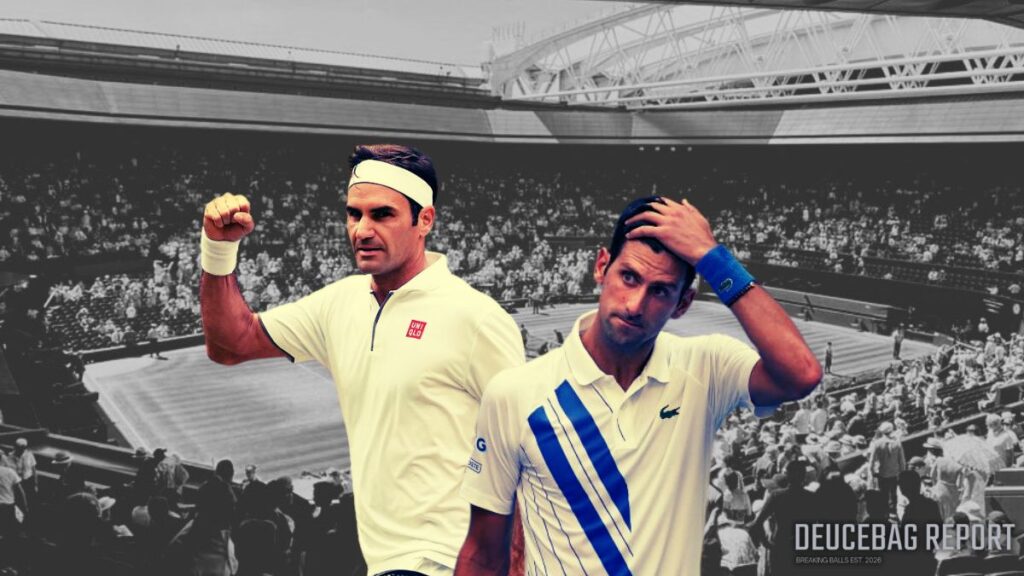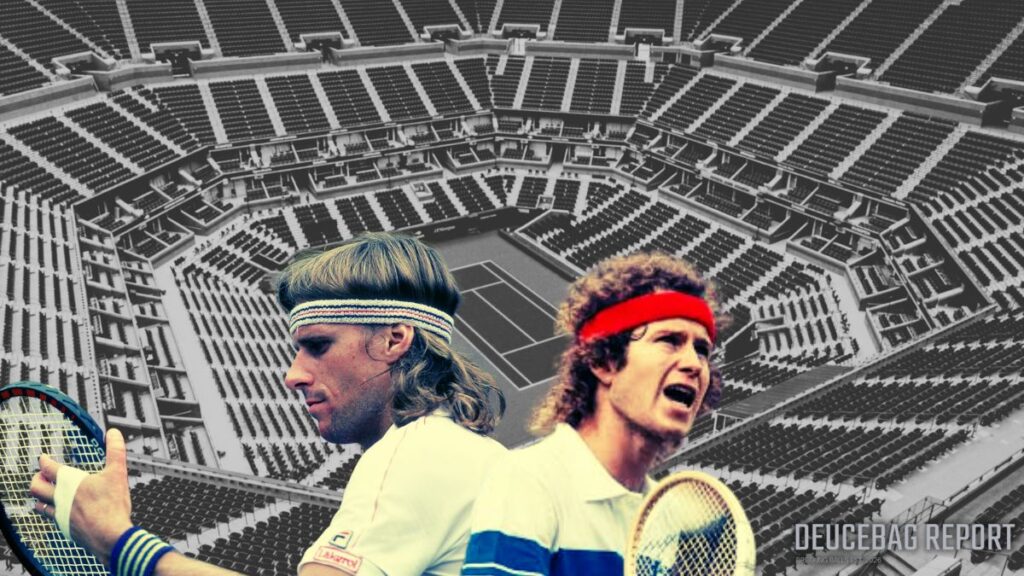
MELBOURNE — In a twist that no one saw coming (except maybe your nostalgic uncle), professional tennis is staging the retro storyline of the year: the wooden tennis racket is officially back with the serve-and-volley set to dominate world tennis again.
Following a high‑profile exodus of modern racquet sponsors over “micro‑string tension politics,” several top‑ranked players have announced they’re ditching synthetic graphite frames and returning to honest‑to‑God timber. “I tried carbon fibre,” said one anonymous player at a press conference under a eucalyptus tree, “but it didn’t align with my values. Wood feels like truth.”
The movement began after rumours surfaced that major manufacturers were testing “gender‑neutral strings.” Within weeks, locker rooms across the circuit were split between those embracing inclusivity in equipment and those craving “the crack of authenticity.” The saga has now erupted into what pundits are calling The Great String Divide.
⚠️ Deucebag Report Warning: This is a satirical parody volleying fake news, exaggerated aces, and throwing shade at pros. No real players were harmed. Read at your own risk: douchebags leave now.
Old School Return, New School Drama
The charge is being led by Novak Djokovic, who announced his “Back to Bark” campaign during practice in Belgrade. “Wood doesn’t judge,” he said solemnly. “You swing, it bends, and that’s life.” His newest model, nicknamed “The Sapling,” reportedly weighs as much as an electric scooter and smells faintly of varnish and ambition.
Carlos Alcaraz, meanwhile, unveiled his custom wooden tennis racket, hand‑crafted from recycled Spanish olive trees. “If I can taste the history in my paella,” he said, “why not my backhand?”
Even Emma Raducanu joined the chorus, sharing a photo of herself holding an heirloom Slazenger and captioning it, “Authenticity hits differently.” Within hours, #MakeTennisVintage trended globally, eclipsing even gossip about the new Netflix tennis reality series, Love All (Except Deuce).
The Sponsors Pull the Plug
Behind the nostalgia lies commercial chaos. Major racket brands have reportedly suspended endorsement deals while “re‑assessing their carbon narratives.” Sources claim Wilson, Babolat, and Head executives held an emergency summit in Geneva, interrupted repeatedly by someone whispering, “What if wood sells again?”
An anonymous insider confessed, “This could be our vinyl moment. People mocked records too—until hipsters paid triple for them.” The International Tennis Federation is now racing to decide whether wooden tennis racket technology meets modern standards, or whether it just evokes “pleasant colonial memories.”
Meanwhile, merchandise departments are thriving. Etsy sellers have flooded the market with “pre‑distressed” rackets and shirts featuring slogans like ‘Keep It Natural — Play With Wood.’ Demand skyrocketed after Nick Kyrgios posted a slow‑mo reel of him serving with a lumber‑heavy prototype, captioned simply, “Feels naughty.”
Analysts Call It ‘Retro Rebellion’
ESPN analysts describe the trend as a “retro rebellion meets mid‑career identity crisis.” Former pro John McEnroe, never one to miss a rant, declared: “Finally! These kids will learn what real vibration feels like. No dampeners, no comfort zones — just pain and purity.”
Tennis historians love it too. “In the 1970s, breaking a wooden racket was emotional,” said professor Lorna Phelps from the Museum of Sporting Regrets. “Now players just toss carbon frames like disposable lattes. Wood is humbler — biodegradable, even poetic.”
Social media, of course, is taking sides. Purists preach that embracing a wooden tennis racket symbolizes “returning to roots.” Critics accuse the movement of performative nostalgia, noting that most players’ “roots” are actually carbon fibre factories in China.
A Sport Split Down the Grain
Despite the mockery, tournaments are adapting. Organizers of the 2026 Monte Carlo Masters announced a “Woodie Wildcard” entry for the top player using timber equipment. Wimbledon officials are allegedly considering a “Tradition Set,” where all competitors must wear cable‑knit sweaters and grunt in British accents.
Environmental groups are surprisingly upbeat, noting that production of wooden rackets could actually reduce overall plastic waste—though one activist warned against “deforestation by forehand.”
But perhaps the shift was inevitable. As one veteran columnist wrote: “We chased lighter materials, faster swings, and woke branding—until we circled right back to the forest. Turns out the future of tennis might sound like the past.”
And so, as the 2026 season kicks off, the crack of the wooden tennis racket once again echoes through courts worldwide — a sound equal parts rebellion, nostalgia, and marketing genius. The sport that once prided itself on cutting‑edge innovation now finds beauty in splinters. Somewhere, Björn Borg is smiling — or maybe just sanding.
Will we see the return of arguably the best tennis racket of all time, the Dunlop Maxply Fort?